Results 1 - 10 of 24

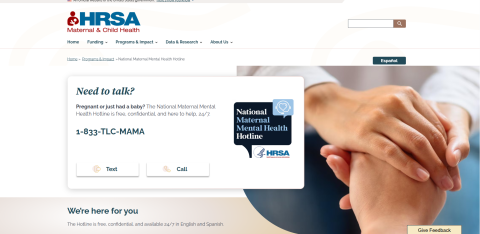
National Maternal Mental Health Hotline

Pregnant or just had a baby? The National Maternal Mental Health Hotline is free, confidential, and here to help, 24/7.

Call or Text: 1-833-TLC-MAMA

Trained Hotline counselors can:

  • Listen to what you’re going through
  • Connect you with local support groups and organizations
  • Refer you to other health care professionals if you need more care


Reach out anytime - if you’re feeling overwhelmed, anxious, or if you just need someone to talk to!

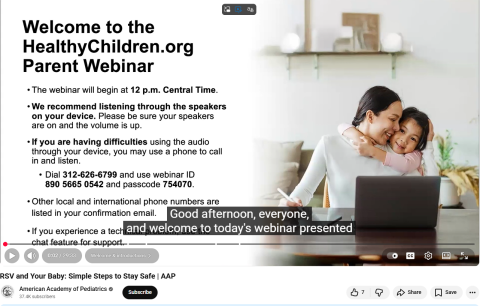
RSV and Your Baby: Simple Steps to Stay Safe Webinar

In a recent HealthyChildren.org webinar, American Academy of Pediatrics (AAP) experts Jennifer Shu, M.D., FAAP, and Anita Chandra-Puri, M.D., FAAP, explain what parents need to know about respiratory syncytial virus (RSV), including how to tell RSV from a cold and ways to help expectant and new parents protect their newborns. Watch and share the recorded session any time on AAP’s YouTube channel.


Cleaning and Bleach Videos

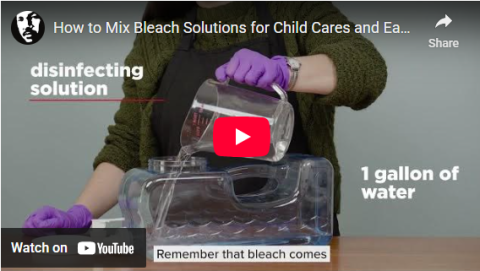
King County's Child Care Health Program has developed videos for cleaning with bleach with "3-Step Method for Cleaning in Child Care and Early Learning Programs" and "How to Mix Bleach Solution". Videos are available in English, Somali and Spanish.

King County Community Food Resources

Updates from King County Early Learning Coalition in the context of federal government shutdown 11/4/25: 

🏪 Woodinville Storehouse Food Bank – 17110 140th Ave NE, Woodinville, WA 98072
🏪 Hopelink Redmond – 8990 154th Ave NE, Redmond, WA 98052
🏪 Open Kitchen at Redmond United Methodist Church – 16540 NE 80th St, Redmond, WA 98052
🏪 Issaqu

Healthy Children - AAP Parenting Website

Description copied from website "Our Mission" page

About HealthyChildren.org 
HealthyChildren.org is the only parenting website backed by 67,000 pediatricians—committed to the physical, mental and emotional health of all infants, children, adolescents and young adults.

This site is created and powered by the American Academy of Pediatrics (AAP), the nation's leading nonprofit organization dedicated to child health.

Why we exist

Every parent deserves guidance they can trust—especially in moments of stress or uncertainty.

That's why every article on HealthyChildren.org is grounded in the latest

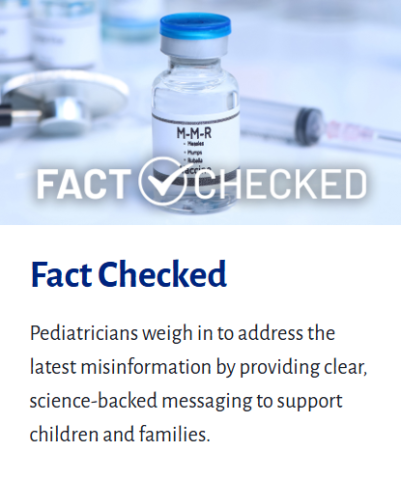
AAP Fact Checked Information by Pediatricians

The American Academy of Pediatrics' Fact Checked page addresses the latest misinformation by providing clear, science-backed messaging to support children and families. 

The AAP also powers the HealthyChildren.org parenting website and has published an article about pediatricians to follow on social media for trustworthy information on children's health. 

Imagine Institute Trainings

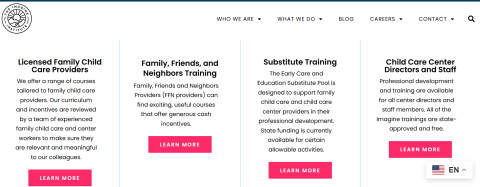
The Imagine Institute offers trainings for: 

  • Licensed family child care providers (FCC)
  • Family, friends, and neighbors (FFN)
  • Substitute teachers
  • Child care center directors and staff

All of the Imagine trainings are Washington state-approved and free. Cash incentives are offered for FCC and FFN providers. Trainings may be offered in Spanish and Somali--contact Imagine for more information.

Training topics include: 

  • Anti-racist early childhood education
  • Special needs
  • STEM
  • Strengthening business practices
  • Child Care Basics 30-hour training
  • CPR / First Aid
  • and more

Tip: Webpage can be translated into Spanish

Child Care and Immunizations

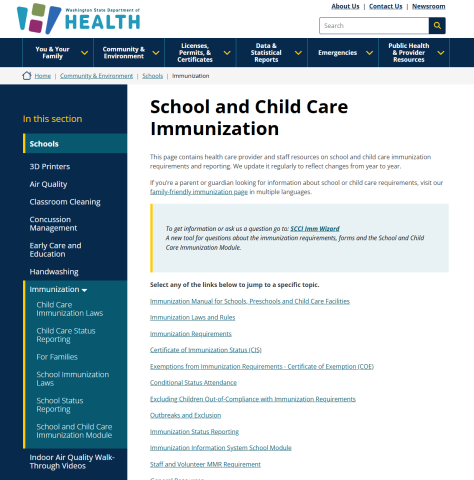
Washington State Department of Health presents the Immunization Manual for Schools, Preschools, and Child Care Facilities helps staff who serve on the immunization frontline at schools, preschools, and child care facilities. You'll find helpful information and resources to answer questions about immunization requirements, process Certificates of Immunization Status, and complete status reports.

Training for Child Care Providers: Head Start National Center on Health, Behavioral Health and Safety

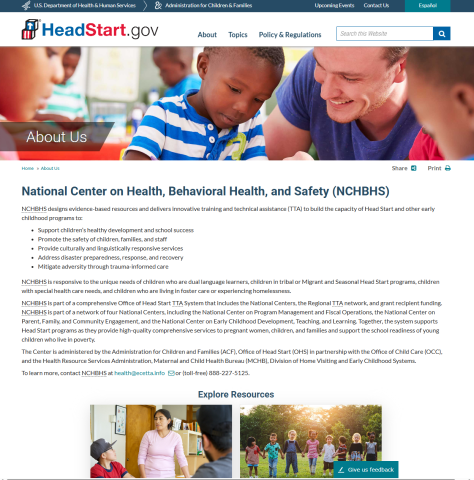
NCHBHS designs evidence-based resources and delivers innovative training and technical assistance (TTA) to build the capacity of Head Start and other early childhood programs to:

  • Support children’s healthy development and school success
  • Promote the safety of children, families, and staff
  • Provide culturally and linguistically responsive services
  • Address disaster preparedness, response, and recovery  
  • Mitigate adversity through trauma-informed care